



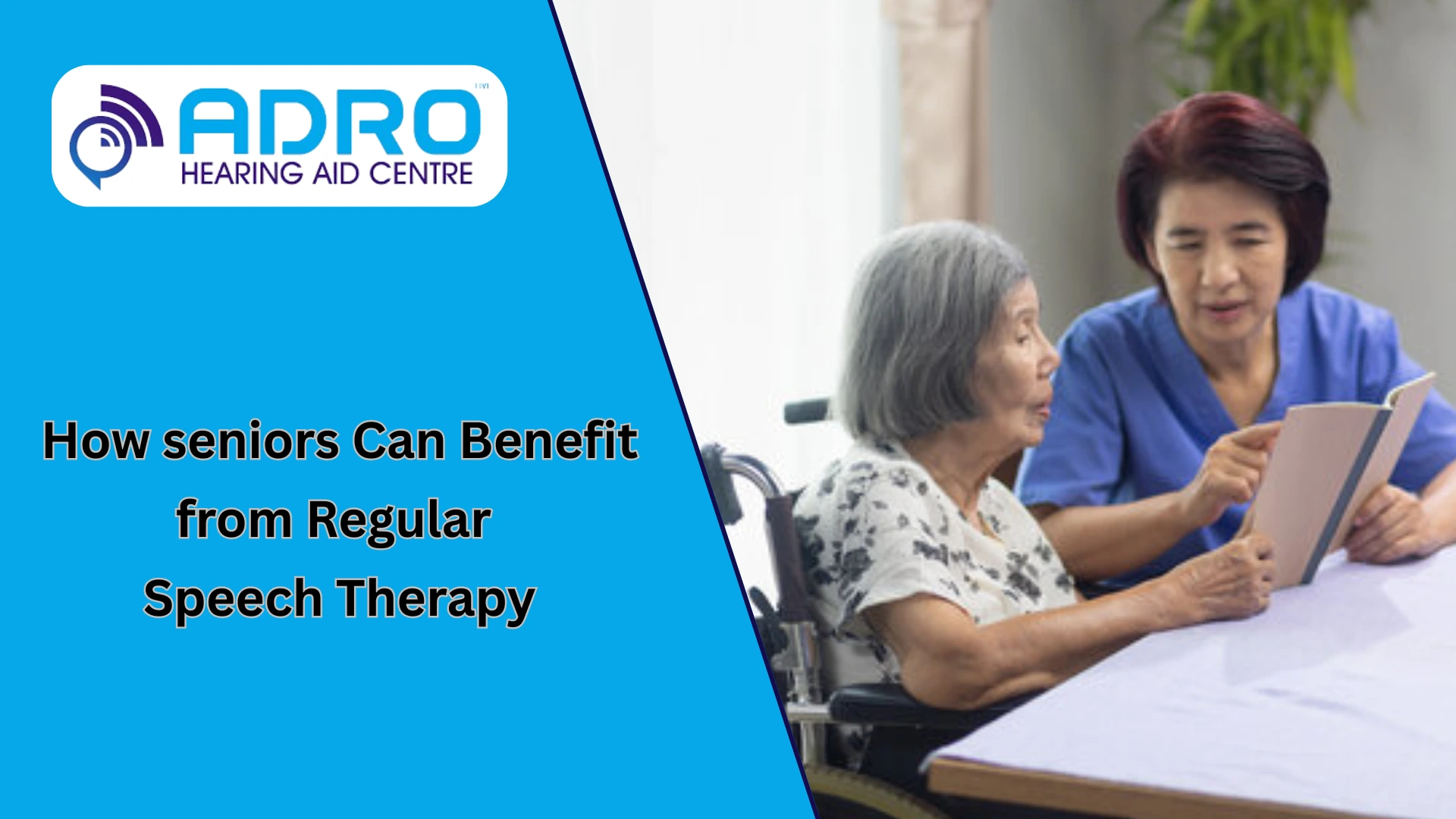

How Seniors Can Benefit from Regular Speech Therapy
Aging people’s communication, generally, becomes more complex and the reasons may be quite different, such as dementia, stroke, Parkinson’s disease and even the natural aging of muscles involved in speech and swallowing. These issues can lead to the lack of confidence, loneliness and even the possibility of nutrition getting worse. This is the time when a professional speech therapist in Chennai is a great help. Speech therapy is definitely not only for kids and people after the injury of the nervous system, indeed, it is very important in the seniors’ lives to be independent and to live a good quality life.
This blog dives deep into the benefits of consistent speech therapy for older adults including regained clarity, communication strengthening and cognitive health enhancement through well-structured speech therapy exercises and empathetic guidance.
Understanding Speech Therapy for Seniors
Therapy speech is centered around the evaluation, diagnosis and treatment of communication and swallowing disorders. In the case of older people, it encompasses various problems such as unclear speech, finding words difficult, stuttering or swallowing difficulties (called dysphagia). In most cases, these issues happen as a result of a stroke, Alzheimer’s disease or even muscle weakness caused by aging.
Speech-language pathologists (SLPs) work on building personalized programs, which aim to restore the patient’s communication skills, muscle re-education and give him/her confidence when dealing with other people. Therapy for seniors is not standardized, it is more focused, and the pace and intensity are adapted according to their mental and physical capabilities.
Improved Communication and Confidence
One of the most visible advantages of daily speech therapy is better communication. Elders frequently become upset when they are not able to make their thoughts clear or grasp what others say. A speech therapist does the correct speech therapy exercises for pronunciation, voice control and sentence formation which help the oral muscles to become stronger and co-ordination to improve.
These treatments actually bring back not only the clearness of speech but also the confidence. Older adults, when given the opportunity to express their ideas and emotions, become more participative in conversations, social events and family interactions which, in turn, results in their emotional wellbeing and less loneliness.
Enhancing Swallowing and Eating Safety
One of the less known advantages of speech therapy is its positive influence on swallowing health. For example, difficulties in swallowing (dysphagia) lead to the situation when eating and drinking become a source of fear due to the risk of choking or food getting into the lungs. Apart from the assessment of swallowing functions, speech therapists also demonstrate the safe techniques which help people to enjoy the meal again.
To improve the control and coordination of the swallowing process, therapists can use different speech exercises to strengthen the tongue and the throat muscles. As a part of their education, they may provide caregivers with instructions on changing food textures and positions in order to avoid the occurrence of complications. This method not only guarantees safety but also allows the elderly to receive sufficient nutrition and hydration.
Supporting Cognitive Health
Speech therapy is not only the physical performance of the speech but also a brain stimulant. While seniors perform the exercises which challenge memory, problem-solving and language processing they strengthen the brain pathways.
Such mental activity is particularly valuable for people with Alzheimer’s or dementia in the early stages. Frequent sessions may delay cognitive decline, support the retention of vocabulary and facilitate the use of other communication methods when speaking becomes difficult. Sometimes after regular therapy seniors report increased mental acuity and quicker reactions.
Strengthening Social and Emotional Well-Being
Elderly people that have difficulties expressing their thoughts usually become isolated as they avoid not only talking with others but also attending social events or even having meals with their families. Such solitude may become a source of depression and anxiety.
Speech therapy offers a positive and supportive environment where the elderly can work on their skills, take risks and advance at their own speed. The support and input from the therapists to the seniors’ self-esteem which is decreased in their experience with communication difficulties. When communication becomes better, their social concerns decrease, thus, they get back a feeling of being part of the community and having a function in life.
Choosing the Right Speech Therapy Support
When deciding on a speech therapist, the first thing you have to keep in mind is that the therapist should be qualified and have sufficient experience. They should not only be concerned with speech therapy but also well-versed in geriatric needs. The therapist you select should be one who does complete assessments, tracks individual progress and offers home or clinic-based services as per the client’s convenience.
At Adro Hearing Aid, seniors get the treatment that is backed by research through the tailor-made programs that fuse the qualities of patience, preciseness and personal attention. The main aim is always to re-establish the function, thus, making the customer’s confidence and comfort levels go up.
Speech therapy has the potential to completely transform the life of an elderly person. Maintaining speech clarity and swallowing safety, stimulating cognitive engagement and social interaction, eventually, touching every domain of the wellness sphere are some of the benefits. Besides, a steady program also facilitates the development of confidence and participation.
Families who need expert advice can count on Adro, which not just satisfies the need of the customer by providing a professional Speech Therapist but also takes care of the hearing via their hearing aid centre in Chennai for the overall health of communication of seniors.