




Must-Know Tips for Hearing Aid Care and Maintenance
Hearing aids should be a part of your daily routine, so they deserve your care. If you’re new to hearing aids or have been wearing one for years, adequate care will always help with clarity, comfort and overall longevity. If you’re looking for a Hearing Aid Centre in Chennai or using a Hearing device already, these care practices will allow you to maximize the return on your investment both in performance and reliability.
Moisture is the Hidden Enemy
The elements like water and hearing aids do not mix. Sometimes, even minimal water exposure from rain, sweat, and steam can quietly and severely affect the electronics inside the hearing aid. This is why it is crucial to TAKE OFF your device before anything water-related activity & KEEP it away from steamy, high humidity spaces like bathrooms! Also, consider storing it in a dry box overnight, as this might help reduce long term damage and may help keep your internal parts safe.
Clean Daily, But Clean Right
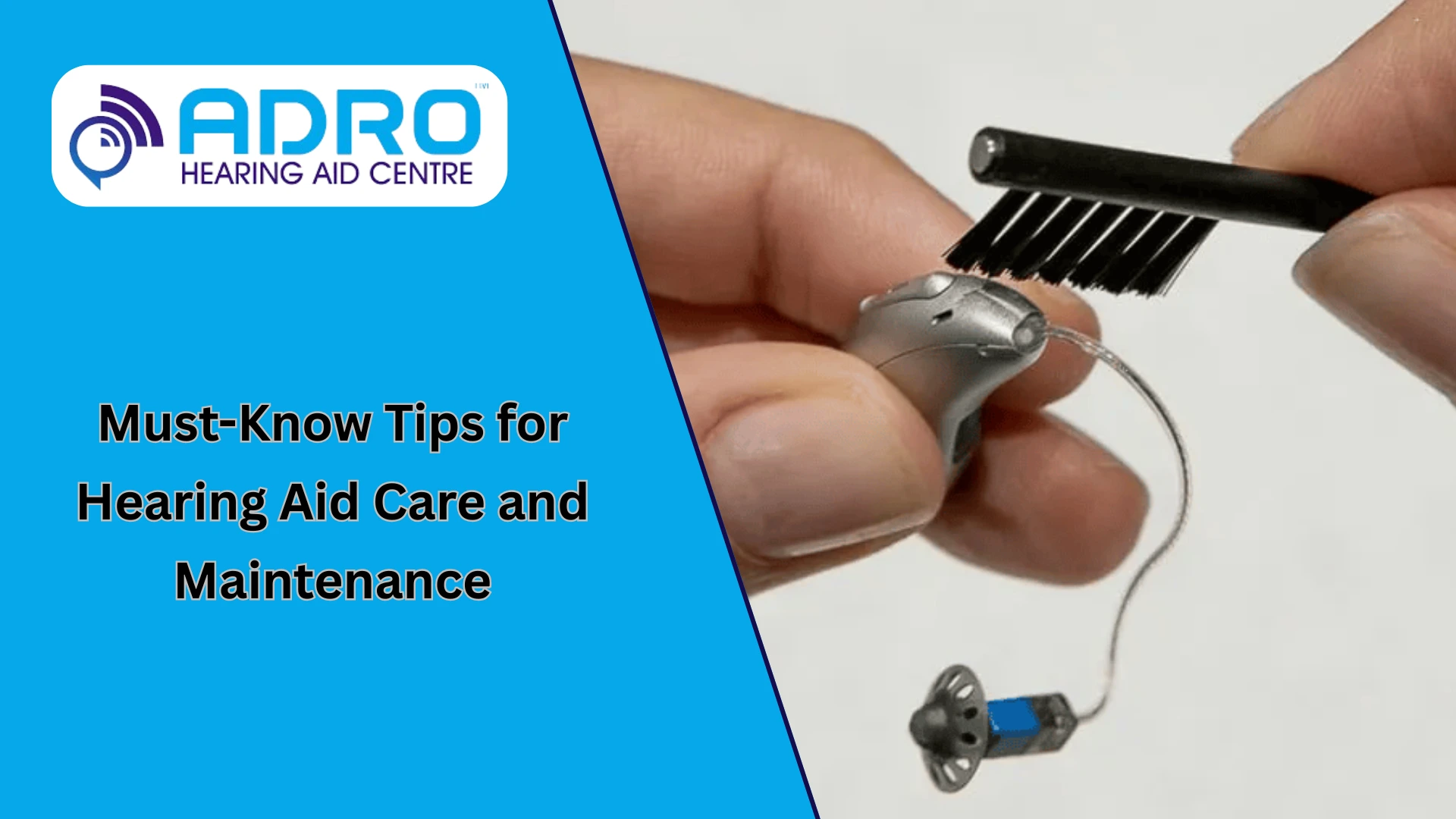
Hearing aids are naturally subject to earwax, skin oils and dust, which can restrict openings inside the hearing aid and negatively affect audio clarity. Regular cleaning is vital but wrong cleaning methods can also cause more problems than solutions.
Always use simple soft, dry cloths and brushes provided when the hearing aid is originally fitted. Use nothing wet and no rubbing alcohol or household cleaners! Alcohol can break down some of the small electronic parts in hearing aids, such as the microphone or receiver.
Battery Care Isn’t Just About Replacing It
The hearing aid battery is critical to the device’s daily function, but battery care is more than just the replacement of a battery when it is spent. To prolong battery life, leave the battery compartment open when storing it overnight. Opening the compartment helps air out the internal compartment and to additionally save on battery life.
Using dry hands and fingers also helps stop any oil or moisture transfer to the contacts that would otherwise interfere with a good battery contact.
If the sound quality starts to differ and diminishes in audio volume or becomes inconsistent, this can also be signs of needing a new battery.
Handling Matters More Than You Think
They are the most sensitive and delicate parts of your hearing aid. You are handling many of the parts every time you insert or remove your hearing aid. It makes a difference to have clean and dry hands and not put moisture or dirt onto any of the main hearing aid parts or device parts.
Improper handling is where most problems start, minor hairline cracks, loose tubing and speaker issues are simple changes in handling and seemingly minor routines. Taking a few seconds to be careful when handling your equipment will save you money in repairs.
Don’t Ignore Storage Habits
When you take off your hearing devices, they should be kept safely at times, the way you store your devices during that time could make all the difference. Disregarding them by tossing them on a table or simply leaving them in pockets could easily lead to damage.
Safe storage in the case provided, away from heat and humidity, will protect the integrity of both the outer and inner components of your device. Using a hard-shell case while traveling or when they may be off for long periods adds that much more fire to security.
Regular Checkups Keep Things Running Smoothly
While your hearing aids may be functioning nicely, regular visits to your audiologist will help catch any wear and tear on your devices early. Your audiologist will adjust the programming of your device and talk about any discomfort. Most practitioners will also clean the device and look at the hearing aid parts of the hearing aid that the user doesn’t see (e.g., cleaning the microphone). These changes most often included in initial hearing aid fitting follow-ups, can vastly change the user performance level .
Be Cautious With Hair Products and Sprays
Most people don’t realize how sprays, gels and powders can clog the microphones or vents of their hearing aids. You can easily leave product residue just by applying it too close to your ear, which can affect sound quality. As a general rule, you should insert the device after applying products and wipe the area around your ear before wearing it.
Know When to Get Help
There are times when self-care isn’t enough. If your hearing aid begins making static sounds, has distorted output, or seems to drain batteries abnormally fast, it could signal internal damage. Rather than attempting to fix it yourself, take it to a professional for a full assessment. Avoid DIY repairs—they often void warranties and can worsen the problem.
There are times when self-care is not enough. If you hear static sounds from your hearing aid, it has distorted output or it is eating batteries faster than normal, there may be internal damage. Rather than trying to fix the hearing aid parts on your own, have it professionally assessed. Remember, DIY repairs often void warranties and leave the device in worse condition.
Caring for your hearing aids doesn’t have to be complex. It’s a consistent matter of keeping your devices dry, clean and stored properly, as well as performing regular maintenance checks. These simple principles can improve the performance and longevity of your hearing devices.
If you continue to buy or upgrade your device, it is very important to understand the hearing aid price in Chennai. This way, you know what to expect and can match your lifestyle and budget with a device that is relatively maintenance free. With the right care the hearing device will last you for years to come.